The COVID-19 pandemic scrambled a lot of metrics as the economy saw swift, tectonic shifts in behavior. Immigration flows, oil prices, and stock market values all swung back and forth in a short amount of time.
But maybe the biggest unexplained shift is the large jump in the disabled population. Starting in 2020, an additional 1 million people over 16 would be identified as disabled per year. There are now 6 million more people disabled than there were pre-pandemic. What was once 9 percent of the population would now be almost 11 percent.
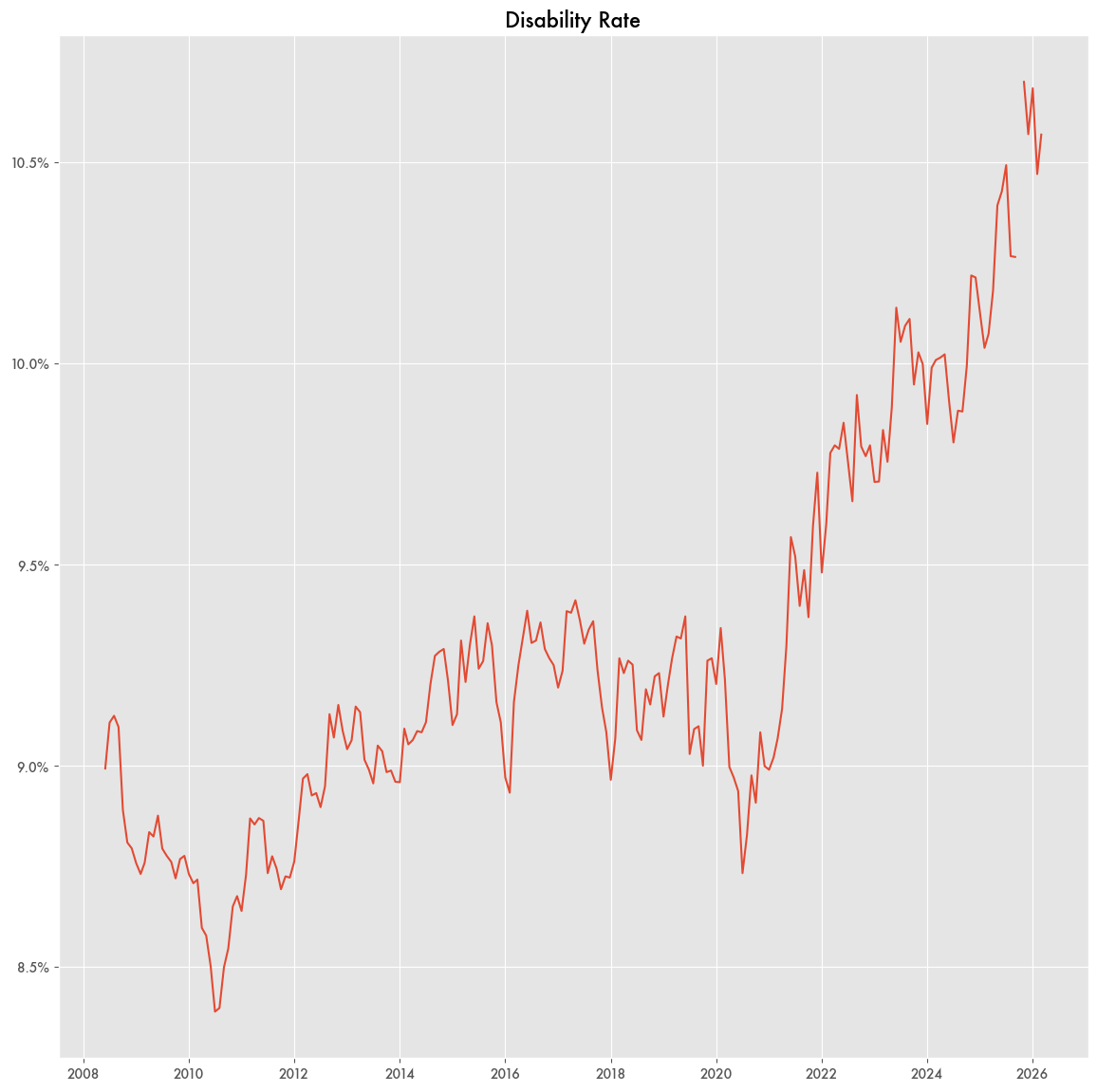
Potentially the large swing could be some remnant of those affected by COVID-19 or appealing to COVID-19 related benefits, but detailed survey data from the Census shows distinct growth across practically all types of disabilities including hearing, cognitive, and vision difficulties since 2019 to 2020.
Much of that is likely a remnant of the elderly, whose population is rising with generational trends. The majority of population growth in disability happened in those over 64. The pandemic might have simply encouraged those to seek diagnosis during a time when not much else was happening. As a percentage of the population—the prevalence—it actually went down for those over 64.
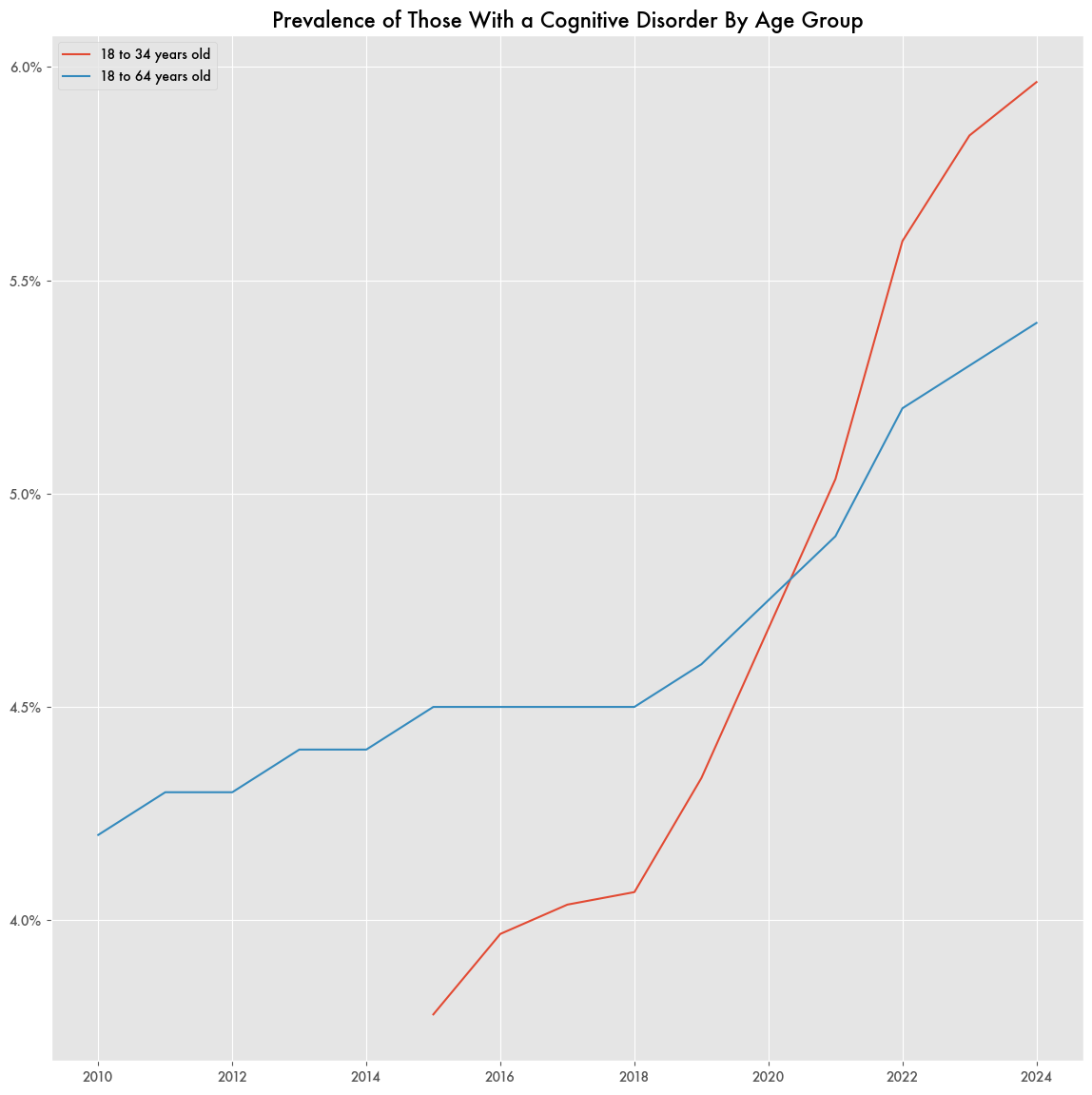
Instead, one of the largest growing prevalent categories would be those with a cognitive difficulty between the ages of 18 and 34 based on U.S. Census data.
There are now 3 million more people reporting to have a cognitive disability since 2016, with half of those being between 18 and 34—going from 4 percent of the population to 6 percent.
Anxiety, Autism, and ADHD
While the change surrounding the COVID-19 pandemic is unique, the growing prevalence in mental health disorders is nothing new.
Prior stories from Investigative Economics noted the sharp upswing in reported anxiety disorders, particularly in white women in various states like Minnesota.
Based on Social Security data, fewer workers are filing for disability claims for themselves, but significantly more are filing on behalf of their children, particularly for mental health conditions.
Autism Growing On Top of Definitional Change
There has already been an acknowledged growth in certain mental disorders due to revised definitions from the updated DSM V manual, like that of autism and ADHD. But those came out in 2013.
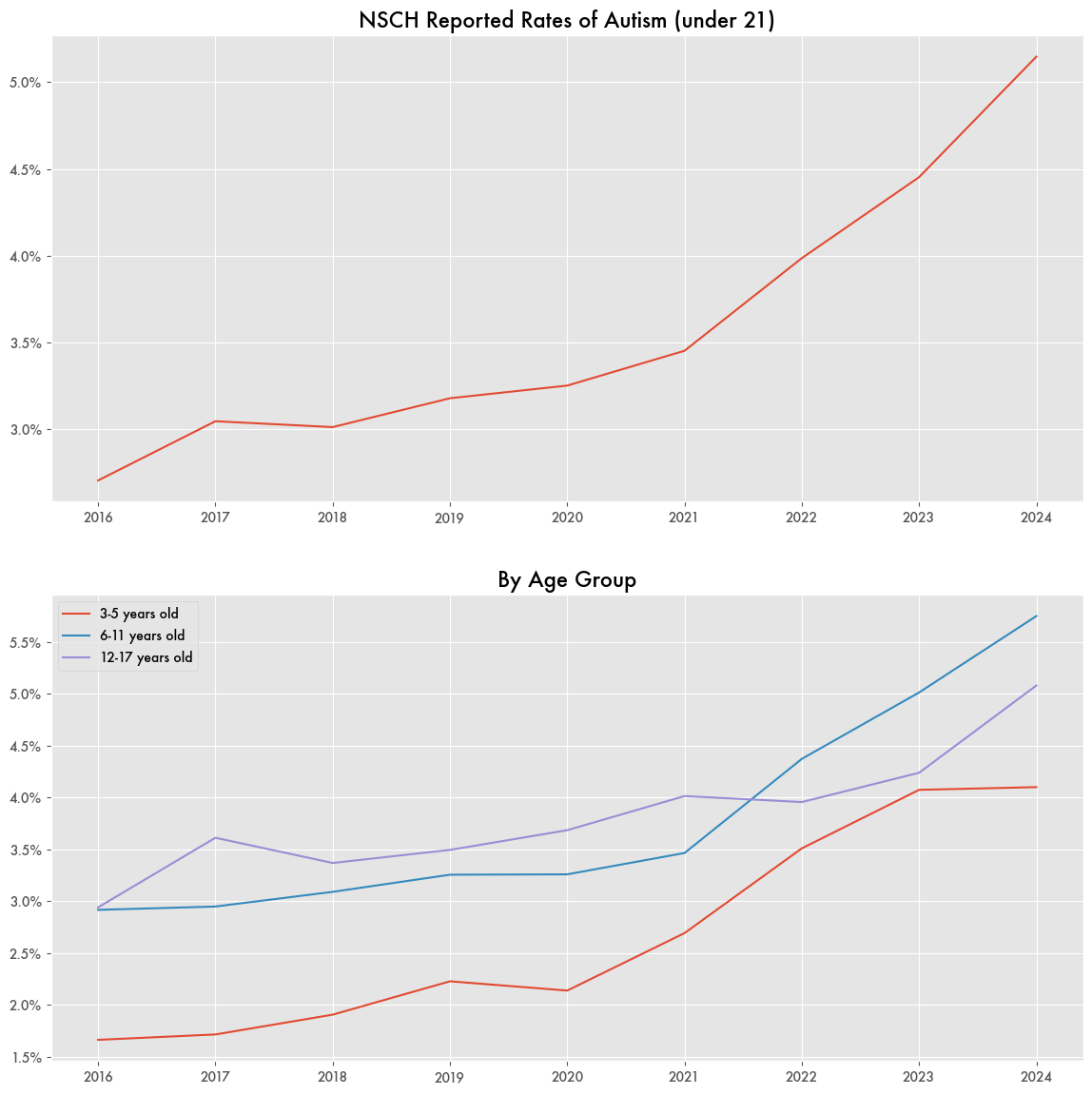
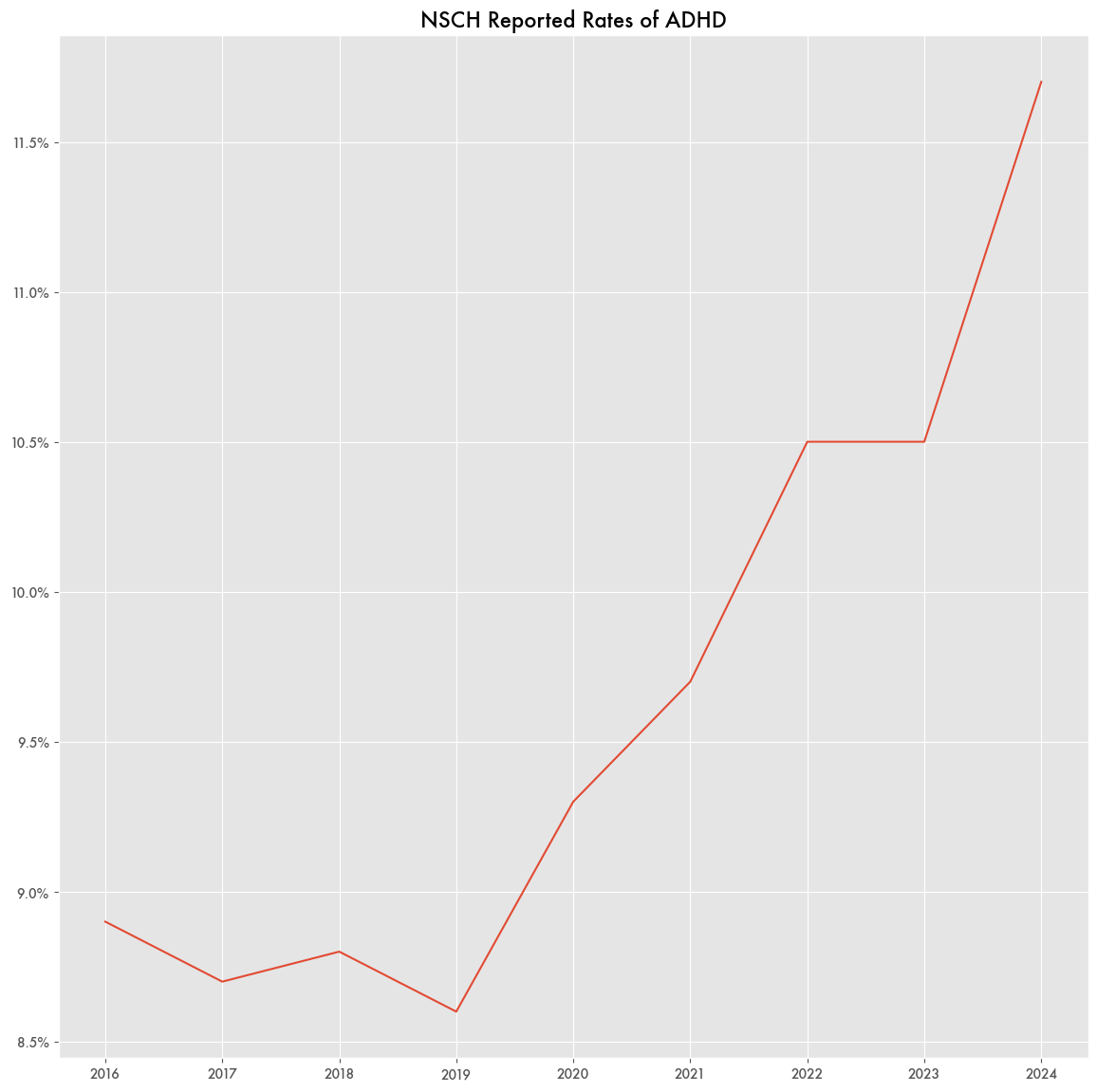
And while rates of autism and ADHD had been rising following those definitional changes, the post-pandemic changes made their prevalence grow even faster, and not by all age groups at once.
Based on sample data from the National Survey of Children’s Health (NSCH), there would be a sharp upswing first in those aged 3 to 5 years in 2020. Then by those 6 to 11 years. And then a few years later kids 12 to 17 years old would show higher rates of autism beginning in 2022 to 2023. Rates for ADHD diagnosis would be similar.